
GST Return Filing in India – A Complete Guide for Business Owners
Introduction
Goods and Services Tax (GST) has transformed the indirect taxation system in India by bringing various indirect taxes under a unified framework.
For businesses registered under GST, filing accurate and timely returns is an important compliance responsibility.
Whether you operate a small business, startup, trading company, or service-based organisation, understanding GST return filing can help you maintain accurate financial records and avoid unnecessary compliance issues.
This guide explains the basics of GST returns and the filing process.
1. What Is GST Return Filing?
GST return filing is the process through which registered taxpayers report details of their sales, purchases, tax collected, input tax credit, and tax liabilities to the GST Department.
These returns help the government monitor business transactions and ensure that applicable tax obligations are fulfilled.
GST returns are generally submitted electronically through the official GST portal.
2. Types of GST Returns
Different GST returns are prescribed for different compliance requirements.
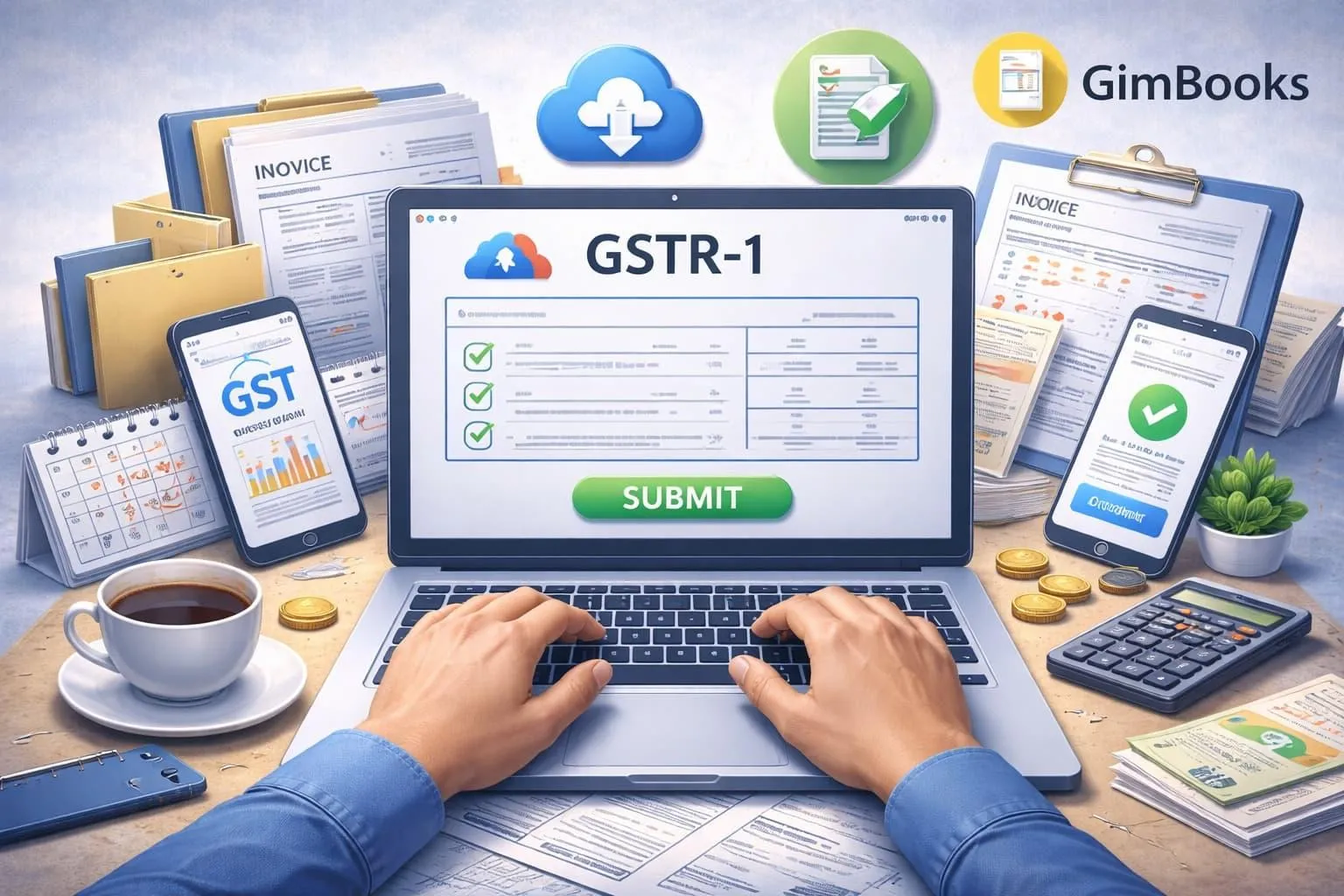
GSTR-1
GSTR-1 is used to report details of outward supplies, including sales transactions.
GSTR-3B
GSTR-3B is a summary return through which taxpayers declare their GST liabilities and discharge applicable tax payments.
GSTR-9
GSTR-9 is an annual return applicable to specified registered taxpayers, subject to applicable exemptions and conditions.
GSTR-2B
GSTR-2B is an auto-generated statement that helps taxpayers review available input tax credit information.
Understanding the purpose of each form helps businesses maintain proper GST records.
3. Who Needs to File GST Returns?
GST return requirements depend on registration type and applicable provisions.
Common categories include:
Regular GST-registered businesses.
Traders and retailers.
Manufacturers.
Service providers.
Eligible composition taxpayers.
Other registered persons covered by specific return requirements.
The applicable forms and frequency may differ depending on the taxpayer's category.
4. Step-by-Step GST Return Filing Process
Step 1: Log in to the GST Portal
Visit the official GST portal and sign in using your registered credentials.
Step 2: Select the Return Period
Choose the applicable financial year and tax period.
Step 3: Prepare Sales Information
Collect sales invoices, credit notes, debit notes, and other outward supply information.
Step 4: Review Purchase and ITC Details
Check purchase records and reconcile eligible input tax credit with the available information.
Step 5: Prepare the Relevant GST Returns
Complete the applicable return forms, including GSTR-1 and GSTR-3B, where required.
Step 6: Verify and Submit
Review the information carefully before submitting the returns.
Step 7: Complete Filing and Payment
Pay applicable tax liabilities and complete filing using the prescribed authentication method.
5. What Is Input Tax Credit (ITC)?
Input Tax Credit allows eligible registered taxpayers to claim credit for GST paid on qualifying business purchases, subject to statutory conditions.
For example, a business purchasing eligible goods or services for business purposes may be able to claim the applicable GST credit.
However, ITC is subject to eligibility rules, documentation requirements, restrictions, and reconciliation requirements.
6. Common GST Filing Mistakes
Businesses should avoid the following mistakes:
Reporting incorrect sales figures.
Entering incorrect GSTIN details.
Claiming ineligible input tax credit.
Ignoring purchase reconciliation.
Missing applicable return deadlines.
Not maintaining proper invoices.
Failing to file applicable nil returns.
Regular accounting and reconciliation can help minimise these errors.
7. Benefits of Timely GST Compliance
Timely GST compliance helps businesses:
Maintain accurate financial records.
Reduce the risk of late fees and interest.
Maintain proper tax documentation.
Improve financial transparency.
Manage input tax credit effectively.
Build confidence with customers and business partners.
Conclusion
GST return filing is an essential part of running a compliant business in India.
Maintaining accurate invoices, reviewing financial transactions, reconciling input tax credit, and filing applicable returns on time can make GST compliance easier.
Need assistance with GST compliance? TaxAlphonic can help businesses understand GST requirements and manage their tax compliance responsibilities.
Frequently Asked Questions
Q1. Is GST return filing mandatory?
Registered taxpayers must file the returns applicable to their registration category and tax period.
Q2. What is the difference between GSTR-1 and GSTR-3B?
GSTR-1 reports outward supply details, whereas GSTR-3B is a summary return used to declare tax liabilities and discharge applicable taxes.
Q3. Do I need to file a nil GST return?
A regular taxpayer may need to file a nil GSTR-3B even when there is no business activity during the relevant period.
Q4. What is Input Tax Credit?
ITC is credit of eligible GST paid on business purchases, subject to applicable conditions.
Q5. Can GST returns be filed online?
Yes. GST returns are filed electronically through the official GST portal.


Comments
0